
What Does A Baby Doctor Do? A Quick Guide For New Parents
A baby doctor, called a pediatrician, provides medical care to babies, children, and adolescents. They monitor development, administer immunizations, manage illness, and assist parents with wellness advice. Pediatricians monitor for early indications of issues and provide families with directions on daily care, nutrition, and sleep requirements. They work in clinics, hospitals, or private offices, frequently with nurses and other doctors to provide comprehensive care. Some specialize in specific health needs, such as newborns or pediatric asthma.
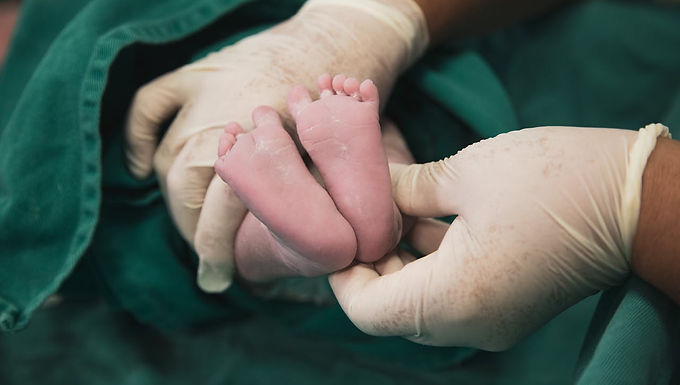
Understanding what a baby doctor does allows parents to collaborate with health teams and provide optimal care for their children. The following section will reveal more about everyday tasks, abilities, and how pediatricians assist children in developing health.
Key Takeaways
Baby doctors are essential for keeping a close eye on the health and development of your baby with regular checkups, immunizations, and growth monitoring.
These check-ups allow for early detection of health issues, which means you can intervene quickly and prevent them from becoming more serious.
Well-rounded developmental screenings catch delays and advise parents on activities that encourage healthy physical, cognitive, and social development.
Guiding parents about how to care for their baby, what to do when they’re sick, and how to avoid injury is an integral part of pediatric work.
Choosing a pediatrician is a mix of determining their qualifications and whether they fit with your family’s values and logistics, as well as their communication style.
Building a partnership of trust with a baby doctor enables parents to take an active role in making educated decisions and championing the child’s health and happiness throughout their lives.
What A Baby Doctor Does
A pediatrician, also referred to as a pediatrician, oversees the health and development of children from infancy until the age of 18. Their scope includes well visits, growth monitoring, and sick care, providing essential pediatric care and advice to families for thriving children in any environment.
1. Health Supervision
Pediatricians frequently see infants, especially during their crucial first two years. In every visit, they monitor key metrics such as heart rate, temperature, and respiration to ensure the baby is well. By consulting with parents, they identify minor problems before they escalate into major issues. Staying on top of immunizations is a major component of these appointments, as the pediatric care provider inspects and updates the vaccine chart to guard against illnesses, including measles and polio.
2. Growth Tracking
During each visit, the doctor weighs the baby, measures length and head size, and then plots these numbers against normal growth charts. This aids in identifying any patterns that might require additional attention, like sluggish weight gain or a head that isn’t growing at the anticipated rate. If a baby isn’t growing with the charts, the doctor can catch feeding or health issues early. Moms and dads receive guidance on feeding – whether formula, breastfeeding, or solids – to keep growth on track.
Pediatricians use these figures to ensure infants develop correctly. If they observe slow growth or fast growth, they can react quickly.
3. Developmental Screening
Pediatricians measure milestones such as sitting, crawling, and talking. They observe how infants utilize their hands, their motion, and their responsiveness to individuals. This catches delays early. If a baby is delayed, doctors can recommend therapy or additional testing.
Parents receive games and daily routines to teach babies new skills. Early action has a huge impact on lifelong health and learning.
4. Illness Treatment
Baby doctors diagnose and manage frequent issues such as fevers, coughs, and stomach bugs. They prescribe medicine if necessary. Parents figure out how to recognize cues that indicate the baby requires additional attention. Doctors provide handouts or direct parents to where to learn more about these diseases and how to handle them.
Physicians reinforce when parents should call or return if it worsens.
5. Injury Care
Pediatricians, as specialists in pediatric care, handle knocks, scrapes, and minor burns while educating parents about ‘baby proofing’ their homes and potential hazards. When a baby’s injury appears serious, these licensed physicians advise parents to seek immediate help at a hospital, ensuring that they can respond quickly in emergencies.
6. Parent Education
Pediatricians, as specialists in pediatric care, discuss everyday activities like feeding, sleeping, and bathing, while emphasizing the importance of support for both child and parent. Parents are encouraged to query and contribute concerns, establishing trust for superior pediatric attention.
Choosing Your Pediatrician
Choosing your pediatrician is a decision that defines your baby’s health and your own comfort. Babies require multiple checkups, and you want a family physician who is experienced, compassionate, and dependable, especially in pediatric care.
Qualifications
Begin with the pediatrician’s education, training, and board certification. A board-certified pediatrician has passed rigorous criteria and keeps up on the latest pediatric medicine guidelines. Inquire if they’ve pursued any additional training, perhaps in neonatology or child development, which can be useful for babies with special needs or chronic concerns. Verify their license is current and that they’re in good standing with medical boards. This information is generally public and readily accessible. A good history indicates dedication to excellence and continuing education, ensuring that your kids’ pediatric care is less likely to be antiquated.
Compatibility
Reflect on your own parenting values and whether your pediatrician’s approach aligns with yours. If you want shared decision-making, find a pediatrician who listens and encourages questions. A doctor who takes the time to explain things in plain language or answer e-mails can be a godsend, particularly during stressful moments. You want to feel comfortable, even when you call about a fever or a weird rash. Query their philosophy on issues such as feeding, sleep, and vaccines, as this can enhance your pediatric care experience and ensure a long-lasting relationship.
Logistics
Location, location, location–closer is better when your baby is sick or you have multiple pediatric visits in the first year. Check office hours and see if they work with your schedule. Inquire about making appointments and anticipated wait times. Emergencies occur, so find out how after-hours care is handled by the pediatric care team. Go over their health insurance policies and payments as well, so you won’t get stuck with surprises later on. Introduce yourself to the office staff, since they’re frequently your initial point of contact when you need immediate assistance for your little one.
Your Baby's First Visits
Your baby’s first visits to the pediatrician are crucial for both expectant parents and your little one. These initial pediatric care appointments help identify medical issues, monitor developmental milestones, and build trust between families and healthcare providers. Babies typically visit a family physician during the first week of life, establishing a care cadence that supports families throughout their first year.
The Newborn Check-Up
A newborn receives their first check within 24 hours of birth, usually while still in the hospital. The Apgar score is a score the doctor uses to check breathing, heart rate, reflexes, and color. They watch for indications that the baby is thriving.
They’ll give your baby vitamin K shots to prevent bleeding issues and apply ointment to the eyes to protect against infections. They weigh, measure the length, and size of the head. These figures assist in detecting early health problems. Parents receive easy instructions for feeding and safe sleep. Every visit has time to inquire about feedings, diaper changes, and any concerns.
The First Year
Babies go for check-ups at set times: usually two weeks, one month, two months, and more through the first year. At every visit, growth is monitored, and physicians monitor milestones—such as smiling, head-lifting, or grasping. If a baby isn’t quite hitting these steps, the doctor might recommend additional screenings or assistance.
Vaccines begin at the two-month appointment. These immunizations protect infants against illnesses including polio, Hep B, and pertussis. Your doctor will maintain a record of which ones your baby receives and when he or she is due for the next.
Parents discuss with the doctor feeding—breast, bottle, or both, how much their baby is sleeping, and any behavioral changes. These conversations help identify developmental delays at an early stage and provide parents with resources to support their child.
Monitoring Growth And Development
During child visits, pediatricians measure length, weight, and head size to ensure proper growth and development. These metrics are plotted in a chart, and if the infant is not thriving, the pediatrician may suggest additional testing or a revised feeding schedule.
Parental Support And Guidance
Every visit to the pediatric clinic is an opportunity for expectant parents to inquire. Mom and dad can discuss nursing, sleeping, or how much the baby is peeing and pooping, with advice individualized to your family's pediatric care needs.
Why Regular Visits Matter
Baby check-ups are essential components of pediatric care, serving as more than just opportunities to measure height and weight. They establish a foundation for lifelong health by helping detect issues early, fostering trust between families and pediatricians, and empowering parents to make informed decisions for their child’s care.
Prevention
During each check-up, your pediatric doctor follows a comprehensive checklist: tracking growth through weight and length, checking heart and lungs with a stethoscope, looking for rashes and signs of infection, and administering scheduled vaccines. Your pediatrician will also inquire about feeding, sleeping, and daily routines. This includes what an infant is eating, how frequently they awaken at night, and possible choking hazards in the house. By reviewing these aspects, your doctor can identify harmful habits or dangerous environments early. They teach parents to establish healthy habits, like daily handwashing or safe sleep, that reduce the risk of illness and injury.
Early Detection
Reviewing milestones—such as sitting up, crawling, or speaking simple words—allows pediatricians to monitor a child’s development through pediatric care. Frequent visits enable any delays to be identified sooner, allowing for earlier treatment or examination scheduling. If a baby’s weight falls off the growth chart, or if they don’t gain as expected, this can signal warning signs of bigger issues. Parents receive a safe space to address concerns, whether it be regarding sleep or feeding, while doctors provide advice or referrals if necessary.
Building Trust
Open discussions with the pediatrician put families’ minds at ease. When parents return to the same clinic, they become familiar with the staff and can share concerns more candidly. Doctors who listen and answer questions without judgment give parents confidence. Over time, this connection facilitates discussions of difficult subjects or shifts at home.
Proactive Engagement
These timely child visits provide a little nudge – a reminder for families to pay attention to health care. Real conversations about habits—be it screen use or toothbrushing—result in incremental differences. Pediatric care specialists share tips tailored to each family’s needs, cultivating parents’ confidence and skills.
The Pediatrician's Hidden Role
A pediatrician’s work goes beyond well visits and sick visits; it encompasses the vital role of a family physician in supporting, guiding, and advocating for children and families. Understanding pediatric care requires the ability to communicate with kids of various ages and identify subtle signals while helping parents navigate the complexities of health care.
Your Advocate
Pediatricians advocate for the child — always — even when it means making difficult decisions or delivering complicated treatment plans to families. They employ a combination of medical expertise and emotional intuition, astutely catching nonverbal cues when a kiddo can’t vocalize their pain. For instance, a febrile toddler may be nonverbal; thus, a pediatrician learns to read body language and subtle behavioral shifts.
They send families to the appropriate specialist when symptoms appear to run deeper. Sometimes they negotiate with insurance companies or assist parents with paperwork, ensuring care doesn’t get caught up in red tape. Pediatricians are constantly soothing nervous parents, demonstrating patience and clarity.
Your Partner
Pediatricians work with parents, not just for them. They assist families in establishing health goals—such as sleep schedules, nutrition, and vaccination—that align with each child’s requirements. Shared decision-making is critical–parents can make the best decisions for their child armed with transparent facts.
Pediatrician support doesn’t stop at the doctor’s office. They can stay involved as a child grows, assisting with transitions from babyhood to teen years. They’re often on-call at ungodly hours, prepared to assist in crises or provide advice over the phone.
Your Guide
Most of the issues in kids' health and parenting are first for families. Pediatricians provide guidance that transcends cultures and backgrounds, assisting parents in knowing what is typical at each age. They instruct parents on noticing red flags, aiding development, and managing difficult behaviors.
Pediatrician VS. Family Doctor
Understanding the distinction between a pediatrician and a family physician enables moms or dads to select the optimal option for their little one’s well-being. Both doctors are licensed and trained, but their attention to and experience with children are different. Here, a table highlighting the key distinctions in their training, patient age range, and type of care provided.
Pediatricians spend years in a pediatric medicine residency to work exclusively with children. They understand child development, the diseases they encounter, and how to identify subtle symptoms that don’t present the same way as in adults. Their day-to-day work encompasses all aspects of child health, from well visits and immunizations to managing chronic childhood conditions. Recertifying every seven years keeps them up to date with new treatments and practices for kids. This expertise is why they’re generally superior at identifying and managing childhood-specific diseases, like some infections or growth issues.
Family physicians treat patients of every age – newborns to geriatrics. They undergo extensive training in a broad spectrum of health issues. Childhood illnesses are only a minor portion of their work. They’re able to take care of the entire family under one roof, which can be time-saving, particularly if parents prefer to schedule group visits or stack appointments. Family doctors prepare teens for adult care, usually by encouraging them to take more responsibility for their own health. We know some parents who switch to a family physician as their child enters the teen years, especially if the child desires continuity with one doctor into adulthood.
Conclusion
Baby doctors, or pediatricians, are a major player in kids’ health from the very beginning. They monitor growth, answer parent questions, and identify red flags requiring prompt attention. They collaborate with parents to develop trust and chart an optimal path for their little one. Choosing one that’s a good fit makes every visit easier. First checkups set the tone, help catch little things early, and initiate discussions about feeding, sleep, and shots. Routine appointments allow us to identify changes, monitor growth, and establish a strong foundation for the healthy years ahead. They work with nurses and labs, and other doctors. For new parents, a steady doctor signifies less stress and more assistance. For more insider advice on collaborating with your baby’s care team, see our other guides.
Frequently Asked Questions
1. What Does A Baby Doctor Do?
A pediatrician, also referred to as a pediatric doctor, specializes in pediatric care, monitoring children's health, addressing sickness, providing immunizations, and guiding parents on developmental milestones.
2. When Should I Choose A Pediatrician For My Baby?
It’s wise to select a pediatrician prior to your pregnancy, ensuring your baby receives quality pediatric care from day one while you have support as new questions arise.
3. What Happens During My Baby's First Visit To The Pediatrician?
The pediatrician measures your baby’s weight, length, and overall health. They respond to your questions, provide medical advice on feeding, and discuss vaccines or tests your infant requires.
4. Why Are Regular Pediatrician Visits Important?
Routine checkups at a pediatric clinic monitor your baby’s growth and development, allowing you to catch potential health issues early and ensure your child receives appropriate immunizations on schedule.
5. What Is The Difference Between A Pediatrician And A Family Doctor?
Pediatricians, as specialists in pediatric care, focus on children’s health from birth through adolescence, while family physicians provide primary care for patients of any age without the same pediatric training.
6. Can A Pediatrician Help With Parenting Concerns?
Absolutely, pediatricians, as specialists in pediatric care, provide parenting tips on sleeping, nutrition, discipline, and safety, assisting parents with typical issues and directing wellness.
7. How Do I Know If My Child Needs To See A Pediatrician?
Visit a pediatrician if your little one is ill or running a fever, or if you observe any shifts in eating, sleeping, or behavior. Well-child visits are equally significant in pediatric care, even when your kid appears to be in good health.

Need Telemedicine For Pediatric Care You Can Trust? Meet Dr. Ashley Tyrrel, Your Partner In Personalized Pediatric Care!
Are you looking for a trusted pediatrician who can provide expert medical care with the highest standards of safety and convenience? Dr. Ashley Tyrrel, a board-certified concierge pediatrician, offers telemedicine services tailored to your child’s unique healthcare needs.
Say goodbye to the hassle of in-office visits—Dr. Ashley delivers comprehensive pediatric care through secure virtual consultations. Her personalized approach ensures expert medical advice and treatment, all from the comfort of your home. With direct access to her private phone number and HIPAA-compliant telemedicine platform, you’ll receive continuous support and medical guidance whenever needed, giving you peace of mind throughout your child’s healthcare journey.
Dr. Ashley provides compassionate, individualized attention from well-child visits to urgent care. She understands the importance of personalized care, offering expert guidance to ensure your child’s medical needs are met through safe and convenient virtual consultations.
Choose Dr. Ashley Tyrrel for trusted, personalized telemedicine pediatric care that prioritizes your child’s well-being. Contact us today to schedule your virtual appointment with a dedicated pediatrician committed to delivering exceptional healthcare remotely.